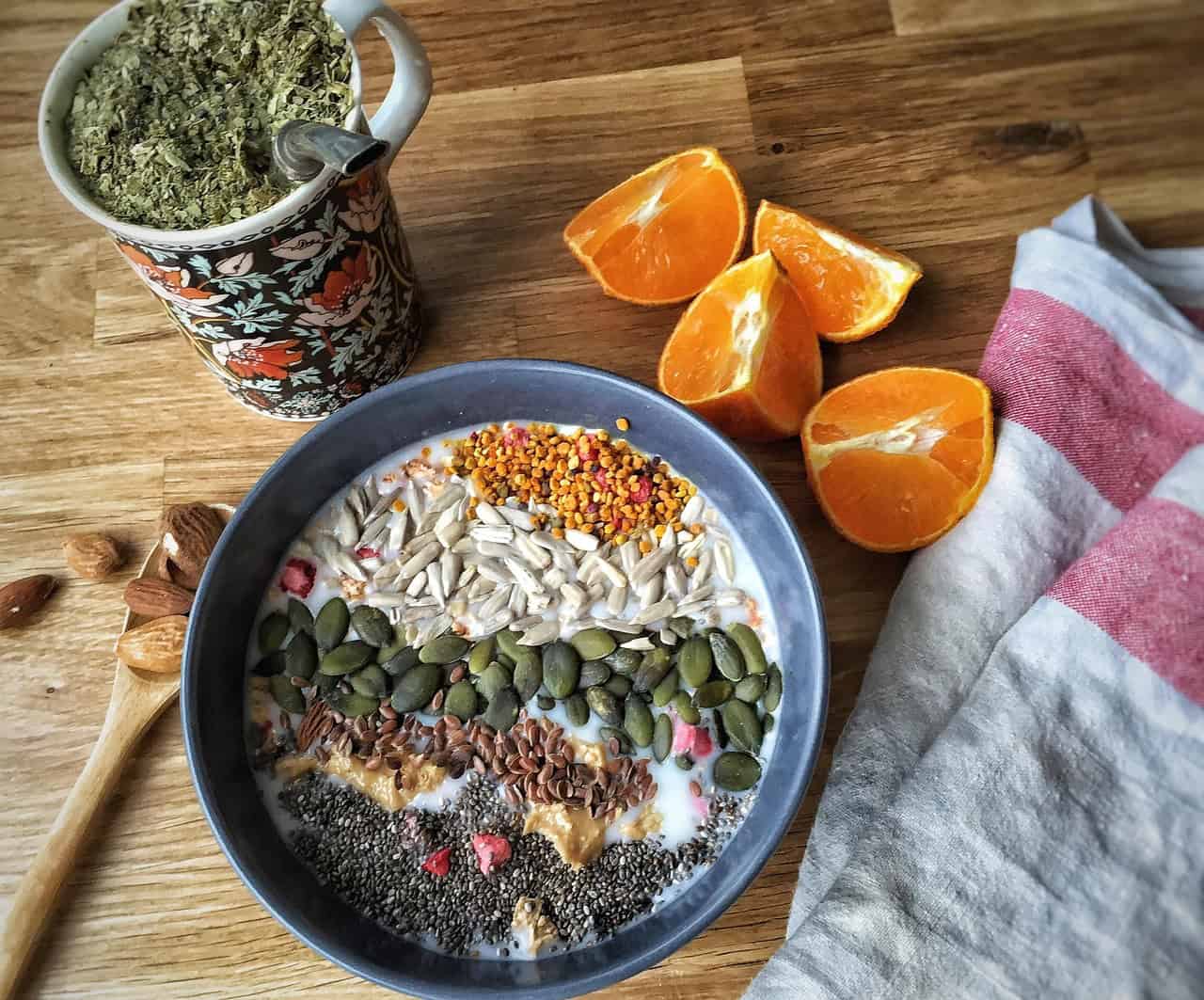
Seeds may be tiny, but they are among the most nutrient-dense foods on the planet. They are the starting point of plant life and therefore packed with protein, healthy fats, fiber, vitamins, minerals, and antioxidants. Regular consumption of a variety of seeds can significantly improve heart health, digestion, immunity, hormonal balance, and overall well-being.
This article explores the nutritional benefits of popular edible seeds such as chia seeds, pumpkin seeds, flax seeds, watermelon seeds, sesame seeds, sunflower seeds, and more.
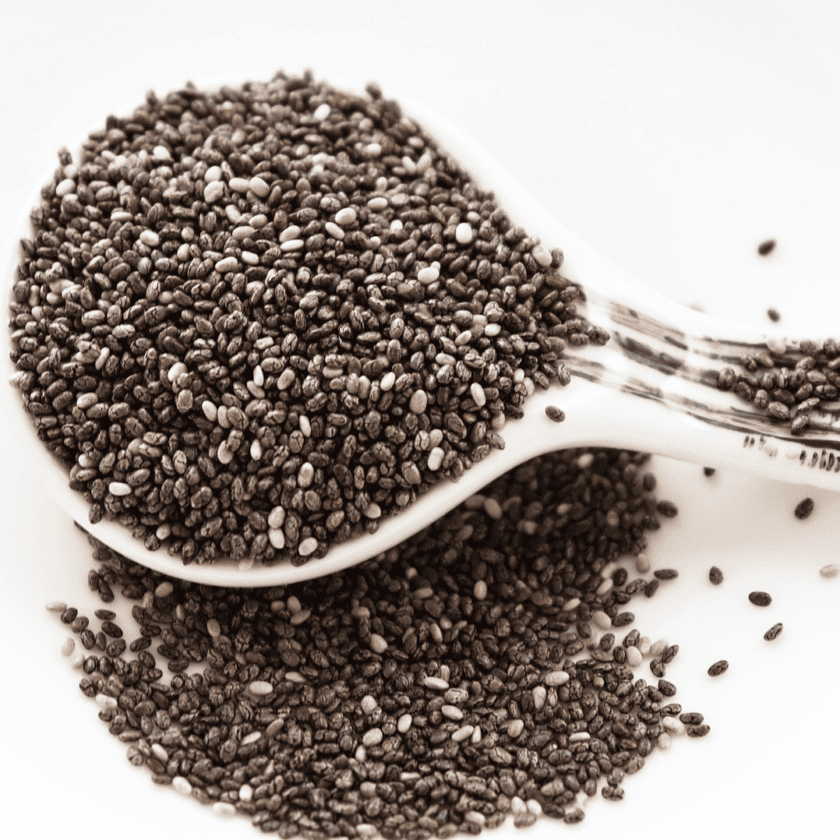
1. Chia Seeds
Chia seeds are often considered a superfood due to their exceptional nutrient profile.
Nutritional Highlights
High in omega-3 fatty acids
Rich in dietary fiber
Good source of calcium, magnesium, and iron
Contains antioxidants and plant protein
Health Benefits
Improves digestion by promoting gut health and preventing constipation
Supports heart health by lowering bad cholesterol (LDL)
Helps with weight management due to high satiety
Regulates blood sugar levels, beneficial for diabetics
Strengthens bones due to high calcium content
How to Consume
Soaked in water, added to smoothies, yogurt, oatmeal, or puddings.
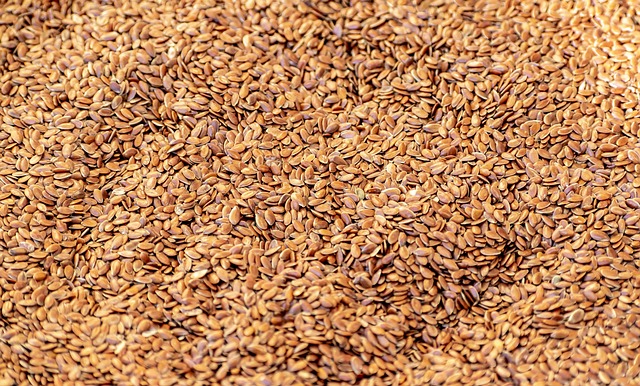
2. Flax Seeds (Linseeds)
Flax seeds are especially known for their hormone-balancing and heart-protective properties.
Nutritional Highlights
Excellent source of omega-3 fatty acids (ALA)
High in lignans (plant antioxidants)
Rich in soluble and insoluble fiber
Health Benefits
Promotes heart health by reducing cholesterol and blood pressure
Improves digestion and prevents constipation
Supports hormonal balance, especially in women
May reduce cancer risk, particularly breast cancer
Helps control blood sugar levels
How to Consume
Best consumed ground, added to smoothies, curd, or sprinkled on meals.
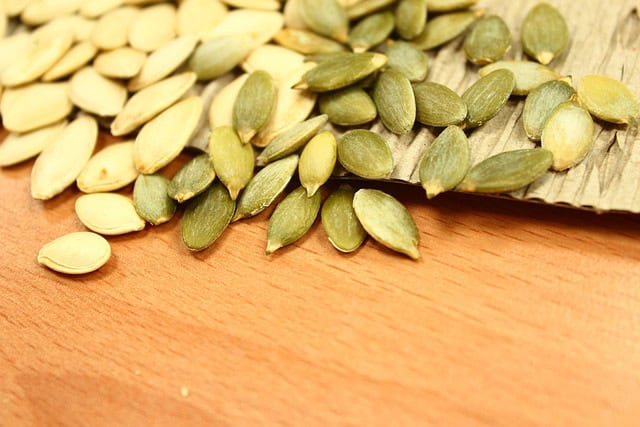
3. Pumpkin Seeds
Pumpkin seeds, also known as pepitas, are packed with essential minerals.
Nutritional Highlights
Rich in magnesium, zinc, and iron
High-quality plant protein
Contains antioxidants and healthy fats
Health Benefits
Boosts immunity due to high zinc content
Improves prostate and urinary health
Supports heart health by regulating blood pressure
Promotes better sleep (contains tryptophan)
Supports muscle recovery and energy production
How to Consume
Roasted, added to salads, soups, or trail mixes.
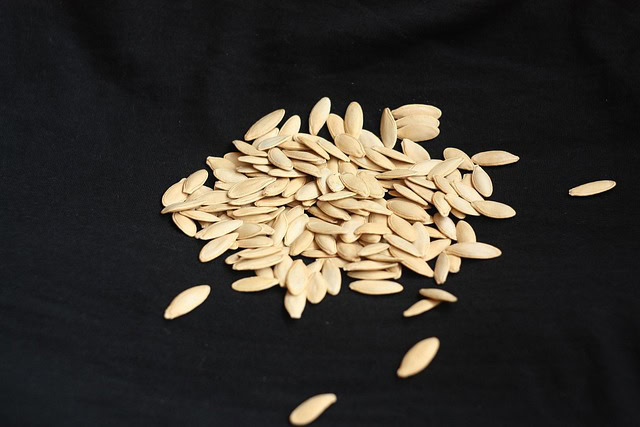
4. Watermelon Seeds
Often discarded, watermelon seeds are highly nutritious when roasted or dried.
Nutritional Highlights
Rich in protein and healthy fats
Contains magnesium, iron, potassium, and B vitamins
Health Benefits
Improves heart health by regulating blood pressure
Boosts metabolism and energy levels
Supports healthy hair and skin
Aids muscle function and nerve health
How to Consume
Roasted and eaten as a snack or ground into powder.
5. Sesame Seeds
Sesame seeds have been used in traditional medicine for thousands of years.
Nutritional Highlights
High in calcium and iron
Rich in lignans and antioxidants
Contains healthy fats and protein
Health Benefits
Strengthens bones and teeth
Improves skin and hair health
Supports heart health by lowering cholesterol
Aids digestion
Supports hormonal balance
How to Consume
Added to curries, chutneys, tahini, or sprinkled on breads.
6. Sunflower Seeds
Sunflower seeds are a popular snack with impressive health benefits.
Nutritional Highlights
High in vitamin E
Rich in selenium, magnesium, and healthy fats
Health Benefits
Powerful antioxidant support
Improves skin health
Supports heart health
Enhances immune function
Helps reduce inflammation
How to Consume
Roasted, added to salads, granola, or eaten raw in moderation.
7. Hemp Seeds
Hemp seeds are considered a complete plant protein.
Nutritional Highlights
Contains all nine essential amino acids
Rich in omega-3 and omega-6 fatty acids
High in magnesium and iron
Health Benefits
Supports muscle growth and repair
Improves brain and heart health
Reduces inflammation
Promotes hormonal balance
How to Consume
Sprinkled over salads, smoothies, or blended into protein shakes.
General Benefits of Including Seeds in Your Diet
Improve heart health
Enhance digestive function
Support weight management
Boost immunity
Improve skin, hair, and bone health
Provide sustained energy
Tips for Consuming Seeds Safely
Soak or roast seeds for better digestion
Grind seeds like flax for maximum absorption
Consume in moderation to avoid excess calorie intake
Store seeds in airtight containers to prevent oxidation
Conclusion
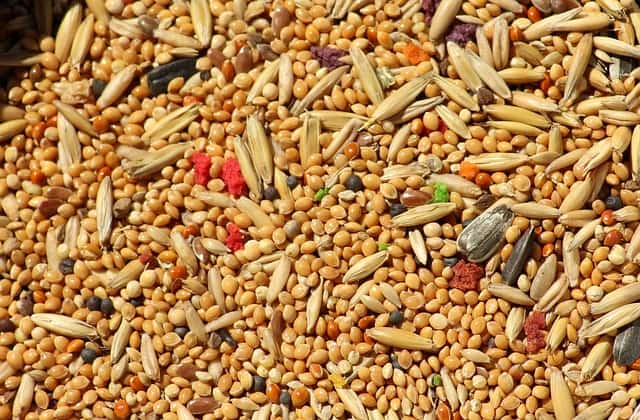
Seeds are small nutritional powerhouses that offer immense health benefits when included regularly in a balanced diet. By consuming a variety of seeds, you ensure a wide range of nutrients that support long-term health, vitality, and disease prevention. Adding just a spoonful of mixed seeds daily can make a significant difference in your overall well-being.